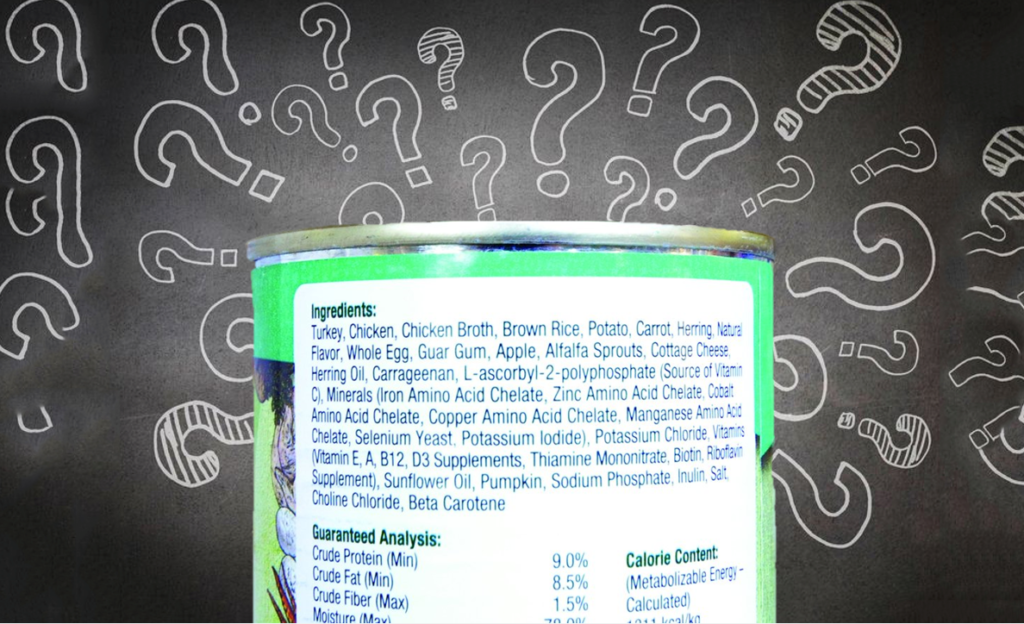
When it comes to choosing the right pet food, there’s often a debate about the ingredients. One of the most important distinctions is between fresh meat and animal derivatives. Understanding the difference is crucial for providing your furry friend with a balanced and nutritious diet.
Fresh Meat: The Gold Standard
Fresh meat, as the name suggests, refers to uncooked and unprocessed meat from animals. It’s what most of us think of when we consider a high-quality diet for our pets. Fresh meat can come from various sources, such as beef, chicken, turkey, lamb, or fish. The key benefits of fresh meat in pet food are as follows:
1. Nutrient-Rich: Fresh meat is a superb source of essential nutrients like protein, amino acids, vitamins, and minerals. These nutrients are vital for your pet’s overall health, including muscle development, immune system support, and a shiny coat.
2. Digestibility: Fresh meat is highly digestible for pets. The proteins in fresh meat are more easily broken down and absorbed by your pet’s body, reducing the risk of allergies and digestive issues.
3. Flavour and Palatability: Pets are more likely to enjoy the taste of fresh meat, making it a popular choice for picky eaters. This can encourage healthy eating habits and make mealtime more enjoyable for your pet.
4. Transparency: When a pet food label indicates fresh meat as an ingredient, you can be reasonably sure about what’s in the food. It’s easier to trace the source and quality of the meat, providing more transparency for concerned pet owners.
Animal Derivatives: The Controversy
Animal derivatives are a more ambiguous term, often raising questions about the quality and safety of pet food. Animal derivatives encompass parts of an animal that aren’t fresh meat. These parts can include offal, bones, and other by-products. Here’s a closer look at animal derivatives and the associated concerns:
1. Incomplete Nutritional Profile: Animal derivatives might not provide the same comprehensive nutrient profile as fresh meat. While they contain some valuable nutrients, they often lack the essential amino acids and vitamins necessary for a pet’s well-being.
2. Variability: The composition of animal derivatives can vary widely, leading to inconsistencies in the quality of pet food. The quality of these ingredients depends on their source and processing.
3. Ambiguity: Pet food labels that list animal derivatives can be less transparent about what’s actually in the food. This lack of clarity makes it challenging for pet owners to know precisely what they’re feeding their pets.
4. Potential Allergies and Sensitivities: Some pets may be more prone to allergies or sensitivities related to animal derivatives, particularly if these ingredients are low-quality or not processed properly.
5. Ethical Concerns: The use of animal derivatives may raise ethical concerns, as it can include parts of animals that many people consider less desirable, such as by-products that might not be suitable for human consumption. This can also include undesirable sources such as diseased cattle.
Navigating the Pet Food Aisle
When shopping for pet food, it’s essential to read and understand the labels. Knowing the difference between fresh meat and animal derivatives can help you make informed choices for your pet. Here are some tips for navigating the pet food aisle:
1. Read the Ingredients List: Always check the ingredients list. Look for fresh meat as the primary protein source. This is a sign of a higher quality product.
2. Avoid Vague Terminology: Be cautious of pet food that lists vague terms like “meat by-products” or “animal derivatives” without specifying the source. These can be less desirable ingredients.
3. Consider Your Pet’s Needs: Different pets have different dietary requirements. Age, breed, and health condition can be important to factor in.
4. Research Brands: Look into the brands you’re considering. Reputable companies are more likely to provide accurate ingredient information and source high-quality ingredients.
5. Trial and Observation: If you switch your pet’s food, monitor how they react. Keep an eye on their coat condition, energy levels, and overall health.
In conclusion, the choice between fresh meat and animal derivatives in pet food is a crucial one for your pet’s health and well-being. Fresh meat is generally considered the gold standard, offering a nutrient-rich, easily digestible, and palatable option. On the other hand, animal derivatives can be less transparent and vary in quality. It’s essential to make an informed decision that suits your pet’s specific needs.
For the above reasons, we thoroughly research our suppliers and their offerings here at Happy Chops so you can be rest assured that no animal derivatives will ever be found in our products. Your pet’s health and happiness deserves a no comprise level of quality control.