Introduction
The age-old debate of whether dogs need vegetables in their diet is a topic that continues to divide pet owners and experts alike. Canines are carnivores by nature, but some argue that incorporating vegetables into their meals can offer various health benefits. In this blog, we will explore the pros and cons of including vegetables in a dog’s diet to help you make an informed decision for your furry friend’s well-being.
The Evolutionary Perspective
Dogs are descendants of wolves, and wolves are obligate carnivores, meaning their diet primarily consists of animal flesh. While this suggests that dogs may not require vegetables, it’s important to acknowledge that dogs have evolved alongside humans for thousands of years. Through domestication, they have adapted to a more diverse diet that includes some plant matter.
The Benefits of Vegetables
1. Nutrient Boost: Vegetables can provide dogs with essential nutrients, including vitamins, minerals, and fibre. They can be a valuable source of antioxidants, which help combat oxidative stress and support the immune system.
2. Digestive Health: Fibre from vegetables can aid digestion and promote regular bowel movements. This can be especially beneficial for dogs with digestive issues.
3. Weight Management: Adding low-calorie, high-fibre vegetables to your dog’s diet can help them feel full without packing on excess calories. This can be crucial for weight management and preventing obesity.
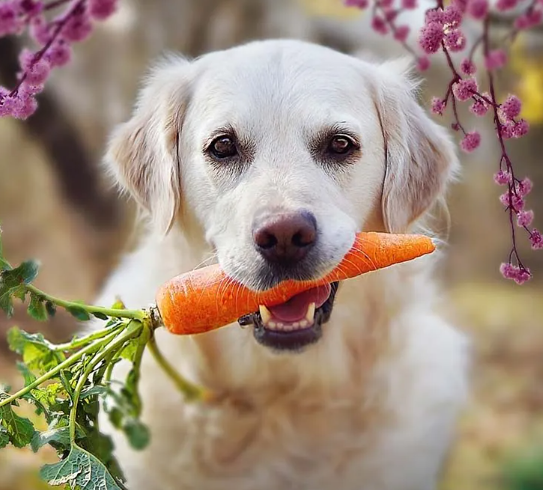
4. Dental Health: Some vegetables, like carrots and celery, can act as natural toothbrushes, helping to clean your dog’s teeth and reduce the risk of dental problems.
5. Variety and Taste: Incorporating vegetables can make your dog’s meals more interesting and flavourful, which may encourage them to eat more eagerly and maintain a balanced diet.
The Drawbacks of Vegetables
1. Digestive Sensitivity: Some dogs have sensitive digestive systems, and certain vegetables can cause gastrointestinal upset. It’s important to introduce vegetables gradually and monitor your dog’s response.
2. Allergies: Just like humans, dogs can be allergic to certain vegetables. Be cautious when introducing new vegetables to your dog’s diet and watch for any signs of allergies or intolerance.
3. Imbalanced Diet: While vegetables offer numerous benefits, they should not replace essential nutrients from high-quality raw dog food. A diet composed primarily of vegetables may lack vital proteins and fats that dogs need for optimal health.
4. Toxic Vegetables: Some vegetables are toxic to dogs, such as onions, garlic, and certain types of mushrooms. It’s crucial to educate yourself about which vegetables are safe for your pet.
5. Personalisation: Each dog is unique, and their dietary needs can vary based on their age, breed, and health status. What works for one dog may not work for another.
Balancing the Diet
If you decide to include vegetables in your dog’s diet, it’s essential to strike a balance. A well-rounded diet for a dog typically consists of quality raw dog food that is specifically formulated to meet their nutritional needs. Vegetables can complement this diet but should not replace it entirely.
Here are some guidelines to help you balance your dog’s diet:
1. Choose Safe Vegetables: Opt for safe, dog-friendly vegetables like carrots, green beans, peas, and sweet potatoes. Avoid toxic vegetables and always serve them in moderation.
2. Cook or Serve Raw: You can serve vegetables either cooked or raw, but some dogs may find cooked vegetables more palatable and digestible.
3. Monitor Their Response: Pay attention to how your dog reacts to the addition of vegetables. If they experience digestive issues or allergies, adjust or eliminate these foods from their diet.
5. Portion Control: Vegetables should make up a small portion of your dog’s meal, typically no more than 10% of their daily caloric intake.
Conclusion
The question of whether dogs need vegetables in their diet ultimately depends on your dog’s specific circumstances and dietary preferences. While dogs are carnivores by nature, they have evolved to consume a more varied diet. By offering safe, well-prepared vegetables in moderation, you can provide additional nutrients and health benefits to your furry companion. Here at Happy Chops, we provide options both with and without vegetables. We can go through different options to make sure you make an informed choice.